The Blue Water
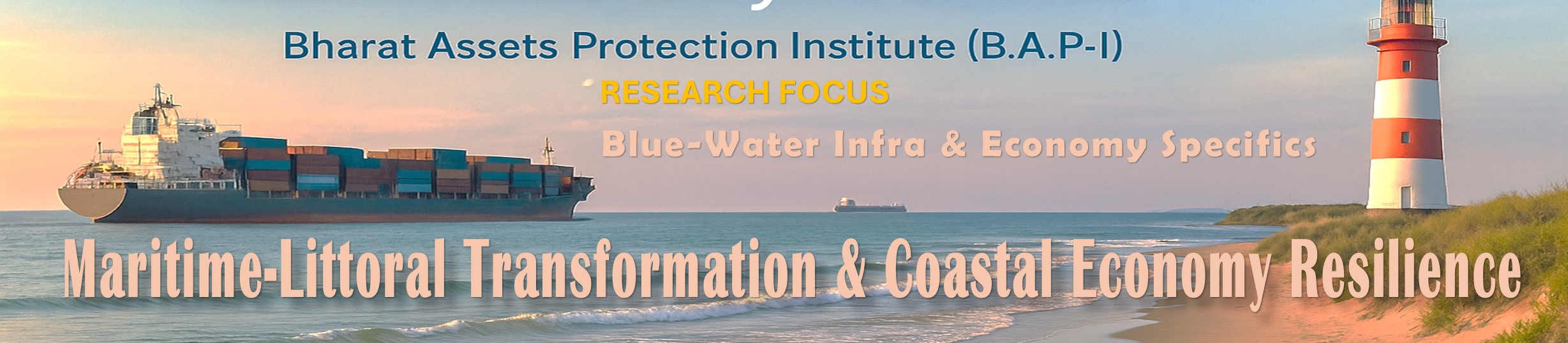
Infrastructure research stream reflects
B.A.P-I’s focus on maritime capability, national preparedness, and long-term
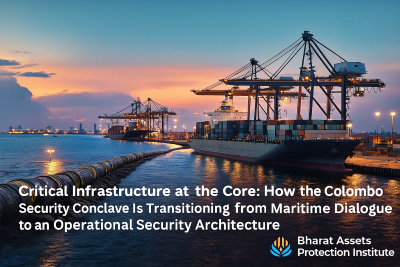
resilience. The intention is to study how ports, ocean-linked logistics,
maritime energy networks, surveillance systems, coastal economies, and deep-sea
infrastructure shape India’s security and economic future. This theme connects
directly with critical infrastructure protection, strategic manufacturing,
secure supply chains, and national security outcomes.
The idea of
Partnership & Linkages is central here.
This space looks at India’s bilateral and multilateral cooperation, regional
arrangements, global maritime connectivity, and collaboration with a wide range
of stakeholders. These include governments, defence and security institutions, industry
actors, research organisations, technology developers, port authorities,
multilateral bodies, and coastal communities. The aim is to understand how
cooperation strengthens capability, expands strategic influence, and ensures
stability across the wider Indo-Pacific and global ocean systems.
Scholars
contributing to this section may explore topics such as:
• Maritime
partnerships and cooperation frameworks
• Port
connectivity, deep-sea logistics, and defence interoperability
• Joint
development, technology transfer, and dual-use maritime manufacturing
• Blue economy
governance, innovation, and sustainable resource use
• Resilient
maritime supply chains, energy systems, and subsea-based digital connectivity
• Maritime
cybersecurity, surveillance, data systems, and operational continuity
• Global
regulations, compliance mechanisms, and shared maritime norms
The purpose of
this research category is to encourage applied research and informed thinking
that support India’s growing role as a confident and capable maritime nation.
Contributions are expected to help shape an ecosystem where blue water
infrastructure, strategic partnerships, governance, and technology work
together to strengthen sovereignty, resilience, and long-term security.
This section is
open to research papers, commentaries, analytical notes, field insights, and
case reflections from scholars and practitioners who are working in this space
or studying its emerging relevance.