


|
|
|
Write With Us |
|
|
|
Publishing with Bharat Assets Protection Institute (B.A.P-I) offers a
unique opportunity to contribute to Bharat’s evolving discourse on national
security, critical infrastructure, and resilience governance. The platform is
designed to bring together rigorous research, policy insight, and practical
knowledge, enabling contributors to engage with a wider ecosystem of
scholars, practitioners, and decision-makers shaping the country’s strategic
future. |
|
|
|
Why Publish with B.A.P-I |
|
Publishing with the Bharat Assets Protection Institute (B.A.P-I) places
your work within a serious and purpose-driven intellectual space focused on
critical infrastructure protection, strategic manufacturing, supply chain
resilience, and national security governance. It is not just a publication
platform; it is a working ecosystem where ideas are examined, refined, and
positioned for real-world relevance. Your research gains visibility among policy communities, industry
stakeholders, and academic networks that are directly involved in shaping
resilience frameworks and governance strategies. The institute’s focus on
applied research ensures that contributions are not limited to theoretical
value but are connected to policy design, sectoral implementation, and
national-level discourse. At B.A.P-I, every publication contributes to a broader
objective—strengthening Bharat’s long-term resilience and preparedness in an
increasingly complex and risk-driven global environment. Authors become part
of a growing body of work that supports evidence-based thinking,
cross-sectoral innovation, and sovereign knowledge creation. Here, contributors are not treated as one-time authors. They are engaged
as participants in an evolving research ecosystem, where their work can
influence dialogue, inform strategy, and contribute to national capability
building. |
|
|
|
B.A.P-I Author Submission
Portal |
|
The B.A.P-I Author Submission Portal serves as the official and
structured channel for submitting original work across the institute’s core
domains. It is designed to maintain clarity, consistency, and quality in all
incoming contributions while providing authors with a guided and transparent
submission process. |
|
We welcome contributions from: |
|
·
Scholars and
academic researchers ·
Policy practitioners
and analysts ·
Industry
professionals and domain experts ·
Government and
institutional stakeholders ·
Emerging researchers
and independent thinkers |
|
|
|
B.A.P-I Author Submission
Portal |
|
The B.A.P-I Author Submission Portal serves as the official and
structured channel for submitting original work across the institute’s core
domains. It is designed to maintain clarity, consistency, and quality in all
incoming contributions while providing authors with a guided and transparent
submission process. |
|
We welcome contributions from: |
|
·
Scholars and
academic researchers ·
Policy practitioners
and analysts ·
Industry
professionals and domain experts ·
Government and
institutional stakeholders ·
Emerging researchers
and independent thinkers |
|
Submissions are invited across multiple formats to
reflect the diversity of research and applied work within the resilience
ecosystem: |
|
·
Scholarly Articles ·
Journal Papers ·
Policy Papers and
Occasional Papers ·
Monographs ·
Conference
Proceedings ·
Industry and
Sectoral Reports ·
Edited Volumes and
Single-Author Books ·
Research
Collaboration Proposals and Institutional Partnership Papers |
|
Submission Standards and Review
Process |
|
All submissions are expected to reflect: |
|
·
Analytical rigor and
clarity of thought ·
Policy relevance and
practical applicability ·
Originality and
intellectual contribution ·
Alignment with
B.A.P-I’s research mandate |
|
Each submission undergoes a structured review process, beginning with
internal editorial evaluation and, where required, external peer review. This
ensures that every published work maintains high standards of academic
integrity and policy relevance. Authors are encouraged to use the Pre-Proposal Submission Option, which
allows early-stage feedback before full manuscript development. This helps in
aligning the work with institutional expectations and improving overall
quality prior to formal submission. |
|
Editorial and Collaboration
Support |
|
The B.A.P-I editorial coordination team remains accessible throughout
the process, offering guidance on structure, alignment, and refinement of
submissions. Contributors are also encouraged to review the Submission
Guidelines, Publication Strategy, and Content Management Framework available
on the portal to better understand editorial expectations. |
|
|
|
Contact and Submission |
|
For manuscript
submissions, author guidelines, and editorial correspondence: |
|
For institutional
partnerships, research collaborations, and strategic initiatives: |
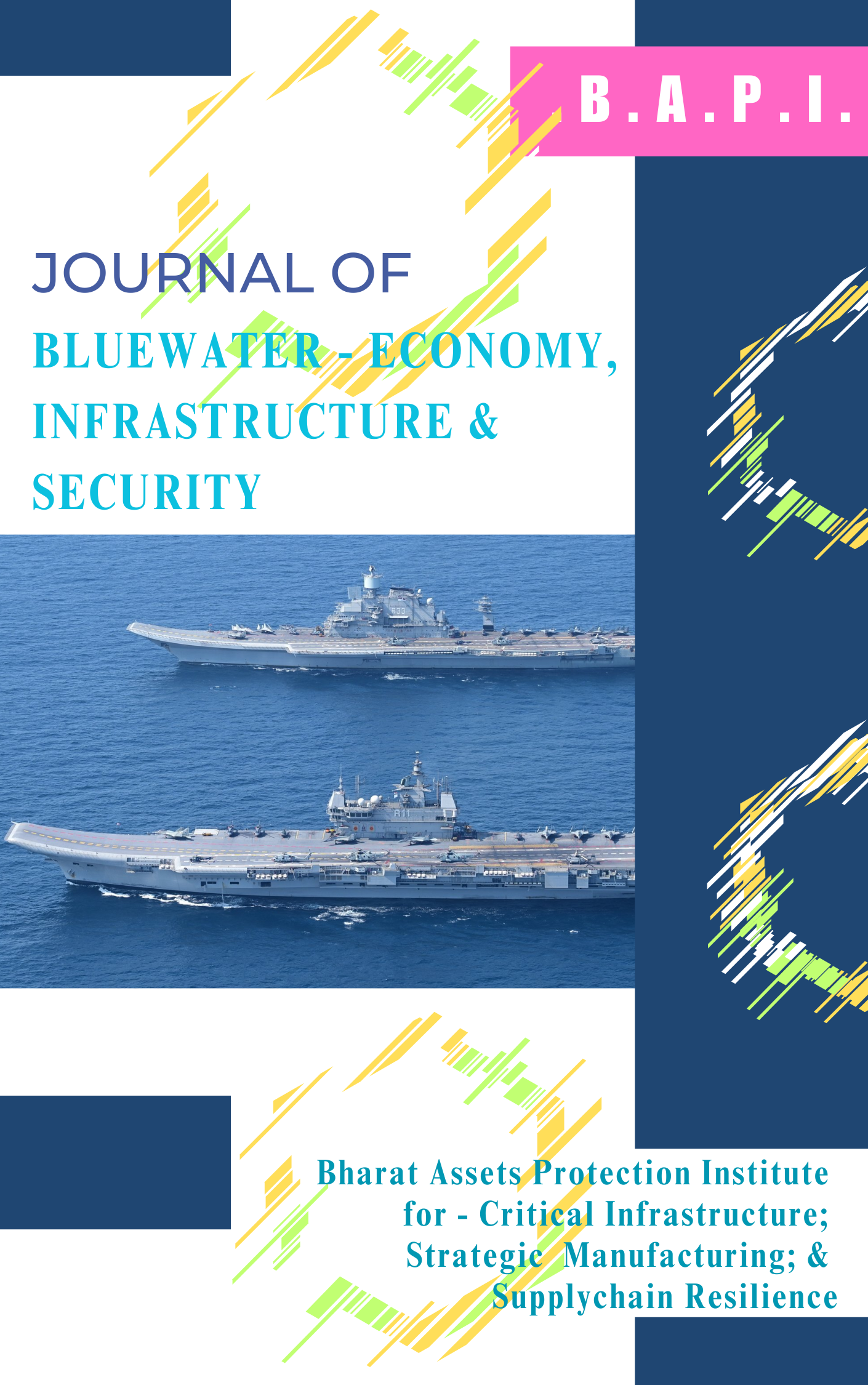
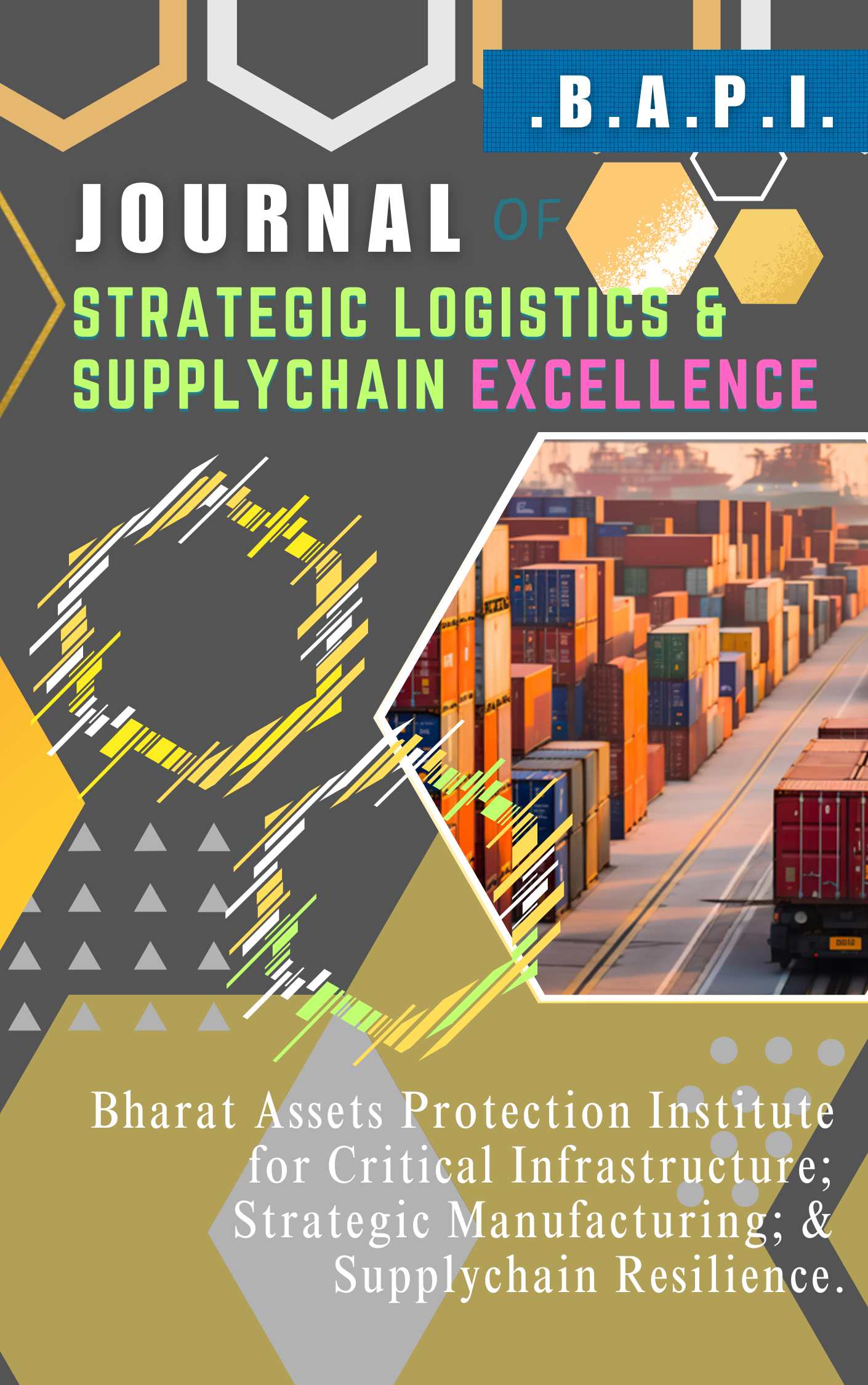
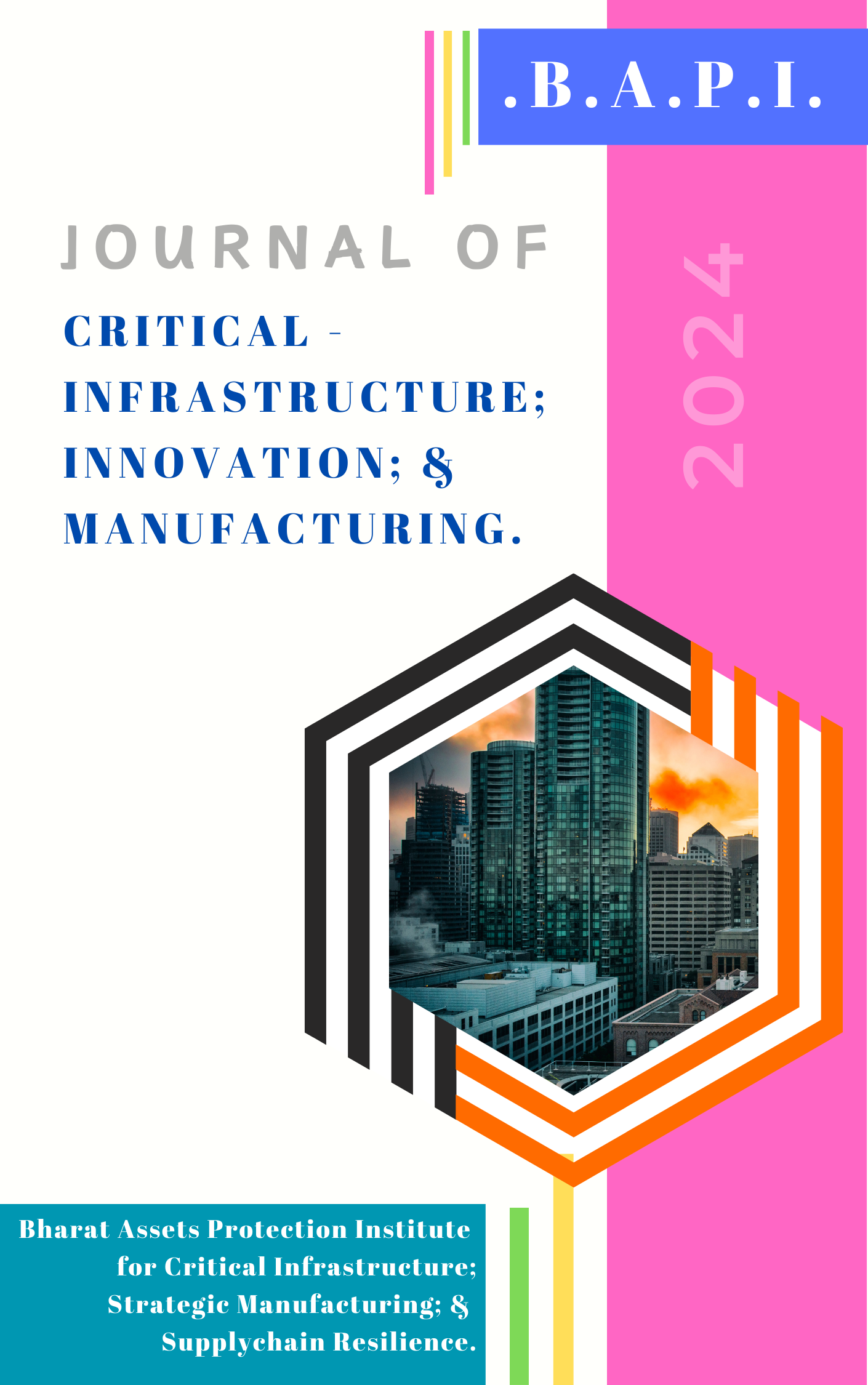
Journals
India Foundation is an independent research centre focussed on the issues, challenges and opportunities of the Indian polity. The Foundation believes in understanding contemporary India and its global context through a civilizational lens of a society on the forward move. Based on the principles of independence, objectivity and academic rigour, the Foundation aims at increasing awareness and advocating its views on issues of both national and international importance.


Books
India Foundation is an independent research centre focussed on the issues, challenges and opportunities of the Indian polity. The Foundation believes in understanding contemporary India and its global context through a civilizational lens of a society on the forward move. Based on the principles of independence, objectivity and academic rigour, the Foundation aims at increasing awareness and advocating its views on issues of both national and international importance.
Proceedings
India Foundation is an independent research centre focussed on the issues, challenges and opportunities of the Indian polity. The Foundation believes in understanding contemporary India and its global context through a civilizational lens of a society on the forward move. Based on the principles of independence, objectivity and academic rigour, the Foundation aims at increasing awareness and advocating its views on issues of both national and international importance.
|
B.A.P-I Standard
Operating Procedure (SOP) for Research Publications
1. Purpose To establish a standardised editorial and review process ensuring
that all B.A.P-I publications meet high standards of analytical rigour,
conceptual clarity, and academic credibility, aligned with the institute’s
focus on critical infrastructure, strategic manufacturing, and supply chain
resilience.
2. Scope This SOP applies to all publication categories under B.A.P-I,
including: ·
Research Papers ·
Policy Briefs ·
Working Papers ·
Technical Notes ·
White Papers ·
Thought Leadership
Articles
3.
Publication Workflow Stage 1: Concept Initiation
Stage 2: Draft Development
Stage 3: Internal Analytical Review
Stage 4: Editorial Review
Stage 5: Technical Validation
Stage 6: Senior Review / Advisory Clearance
Stage 7: Finalisation and Formatting
Stage 8: Publication and Dissemination
4.
Quality Assurance Principles • Evidence-driven analysis with full citation traceability
5.
Ethical and Compliance Standards • No plagiarism or unverified claims
6.
Continuous Improvement ☐ Incorporate reviewer feedback into future publications
|
|
Work Flow
Chat |
|
|
|
[1]
Concept Initiation ↓ Define research theme, scope, and strategic relevance (B.A.P-I domains: infrastructure, supply chain, resilience)
↓
[2]
Draft Development ↓ Structured writing: Introduction → Conceptual Framing → Analysis → Conclusion Evidence-based arguments + citations
↓
[3]
Internal Analytical Review ↓ Check: • Logical coherence • Argument consistency • System-level depth • Conceptual gaps
↓
[4]
Editorial Review ↓ Apply Editorial Checklist: • Language precision • Narrative flow • Redundancy removal • Transition clarity
↓
[5]
Technical Validation ↓ Verify: • Data accuracy • Citation correctness • Numerical claims • No sensitive/confidential data
↓
[6]
Senior Review / Advisory Clearance ↓ Validate: • Strategic relevance • Policy implications • Institutional alignment
↓
[7]
Finalisation & Formatting ↓ • APA citation format • Layout consistency • Publication-ready formatting
↓
[8]
Publication & Dissemination ↓ • Website / Journal / Report release • Institutional archive • Policy & academic outreach
↓
[9]
Feedback & Iteration Loop ↺ • Reviewer feedback • Continuous improvement • Standard refinement
|
|
|
|
|
|
|
|
|